

What Are the Key Nutrients Needed for Maintaining Eye Health?

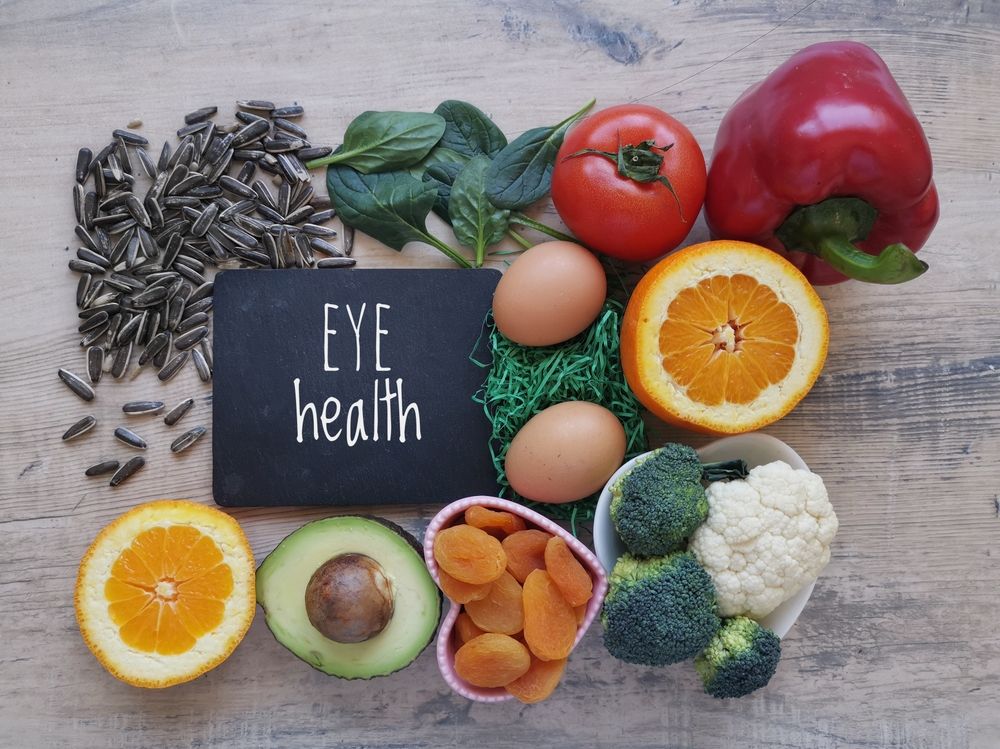
Healthy vision is supported by daily habits that care for your eyes from the inside out. Nutrition plays a vital role in keeping your eyes comfortable, sharp, and resilient as you age. When you understand which nutrients are essential for eye health and pair smart dietary choices with regular comprehensive eye exams at Blue River Vision, you can take a proactive approach to protecting your vision long term. Below are the key nutrients your eyes need, how they help, and where to find them.
Vitamin A
Vitamin A is essential for healthy vision, particularly in low-light conditions. It supports the retina and helps prevent dryness by maintaining the surface tissues of the eye. Insufficient vitamin A can lead to night vision problems and eye discomfort. You can find vitamin A in foods like carrots, sweet potatoes, spinach, kale, and liver.
Omega-3 Fatty Acids
Omega-3s support the tear film, reduce inflammation, and are especially beneficial for people with dry eye symptoms. They also play a role in retinal function and may help lower the risk of age-related eye conditions. Fatty fish such as salmon, sardines, and tuna are excellent sources, along with flaxseeds, chia seeds, and walnuts.
Lutein and Zeaxanthin
These antioxidants act like natural sunglasses for your eyes, filtering harmful blue light and protecting the macula, the part of the retina responsible for sharp central vision. Lutein and zeaxanthin are linked to a reduced risk of age-related macular degeneration and cataracts. They’re found in leafy greens like kale and spinach, as well as eggs, corn, and broccoli.
Vitamin C
Vitamin C supports the health of blood vessels in the eyes and helps combat oxidative stress that can contribute to cataracts and other age-related changes. Citrus fruits, strawberries, bell peppers, tomatoes, and broccoli are all rich in vitamin C.
Vitamin E
Vitamin E protects eye cells from damage caused by free radicals and works alongside other antioxidants to support overall eye health. Good sources include almonds, sunflower seeds, hazelnuts, and vegetable oils such as sunflower or safflower oil.
Zinc
Zinc helps transport vitamin A from the liver to the retina and supports night vision and overall retinal health. It may also help slow the progression of certain age-related eye conditions. Zinc is found in foods like oysters, beef, poultry, beans, nuts, and whole grains.
Why Nutrition Alone Isn’t Enough
Even with an excellent diet, some eye conditions develop silently, without noticeable symptoms in the early stages. That’s why regular comprehensive eye exams are essential. An eye exam does more than update your prescription - it allows your eye doctor to evaluate eye health, monitor changes over time, and detect issues such as macular degeneration, glaucoma, or diabetic eye disease before they affect your vision.
Take the Next Step Toward Healthier Vision
Maintaining healthy vision is a lifelong commitment that starts with the right nutrients and continues with routine eye care. Vitamins, antioxidants, and healthy fats all play a critical role in supporting your eyes, but they work best when paired with regular eye exams. By nourishing your body and staying proactive about eye health, you can help protect your vision for years to come.
Schedule a comprehensive eye exam at Blue River Vision to receive expert guidance on eye health, nutrition, and preventive care designed just for you. Visit our office in Silverthorne, Colorado, or call (970) 451-0015 to book an appointment today.


MAP
© 2026 Blue River Vision. All Rights Reserved - Accessibility Statement - Sitemap
Powered by: