


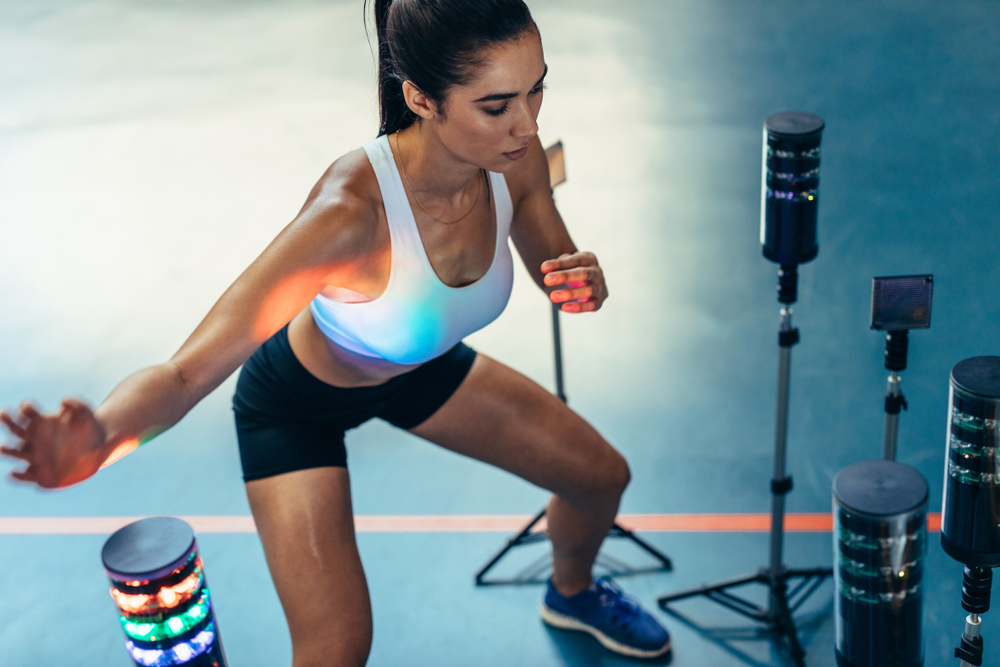
Athletic performance depends on more than eyesight
Many athletes assume vision only matters if they need glasses or contacts, but sports performance relies on much more than seeing clearly. Skills like tracking, reaction time, depth perception, and eye-hand coordination all affect how well an athlete responds in motion. Blue River Vision in Silverthorne offers sports vision training designed to strengthen these sport-specific visual abilities.
What sport vision training focuses on
Sport vision training works on the visual skills that help athletes perform more efficiently in competition and practice. According to Blue River Vision, these skills may include eye-hand coordination, dynamic visual acuity, tracking, focusing, visual reaction time, and peripheral vision. Training is customized to the athlete and the sport, which means the visual demands for tennis, golf, skiing, or other activities are approached differently.
Better visual skills can support faster decisions
Athletes often need to process movement quickly and respond without hesitation. When visual reaction time, tracking, and focus improve, it may become easier to judge speed, follow the ball, and react under pressure. In real terms, that can support better timing, more accurate movement, and stronger coordination during play. This performance connection is an inference based on the visual skills Blue River Vision evaluates and trains for athletes.
Training is tailored to the athlete
One of the biggest advantages of sport vision training is that it is not generic. Blue River Vision notes that programs are built around the athlete’s current visual skills and the specific needs of their sport. A golfer may work more on visual alignment and depth perception, while a tennis player may focus more on eye-hand coordination and dynamic visual acuity. The practice also uses tools such as Synaptec Sports Strobe Glasses and the Synaptec Vision Trainer as part of its sports vision services.
Signs an athlete may benefit
Some athletes train harder but still feel stuck in their performance. In some cases, a visual issue may be limiting progress. Sport vision training may be worth considering for athletes who notice:
Trouble tracking a fast-moving ball
Slower reaction time during play
Difficulty with depth perception
Inconsistent hand-eye coordination
Performance plateaus despite regular practice
These examples align with the visual performance areas Blue River Vision evaluates in sports screenings and training.
What to expect from the process
Blue River Vision explains that sports vision training begins with an assessment of the athlete’s visual skills and sport-specific needs. From there, a custom plan is created using exercises and games that may be done in-office and at home, with progress monitored over time through reassessment. Because these skills develop gradually, training is typically a process rather than a one-time visit.
Why it can be a valuable edge
For athletes who want to sharpen performance, sports vision training can address a part of competition that standard practice may overlook. Improving how the eyes and brain work together can support more efficient movement, better awareness, and stronger visual consistency in sports situations. In Silverthorne, Blue River Vision offers sports vision services as part of its broader family eye care and active lifestyle focus.
To learn how sport vision training may improve athletic performance, contact Blue River Vision in Silverthorne, CO by calling (970) 451-0015 or visiting 37 W 4th St, E126, Silverthorne, CO 80498.